!g!

Die ersten Prototypen befinden sich in der Erprobung

am Paul Scherer Institut (PSI), Schweiz
am Institut Laue Langevin (ILL), Frankreich
am Forschungszentrum Jülich (FZJ), Deutschland

Prototyp am PSI
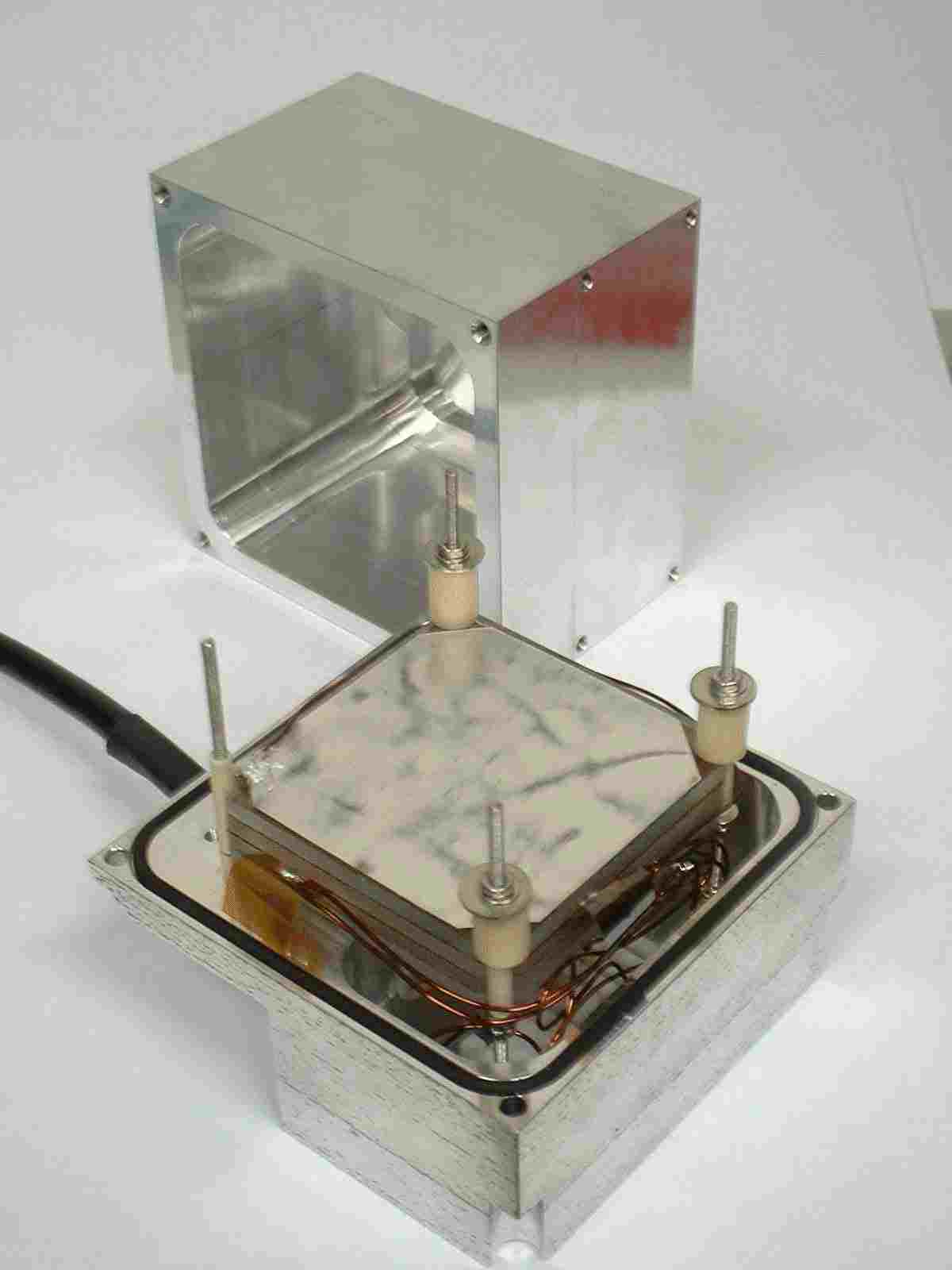

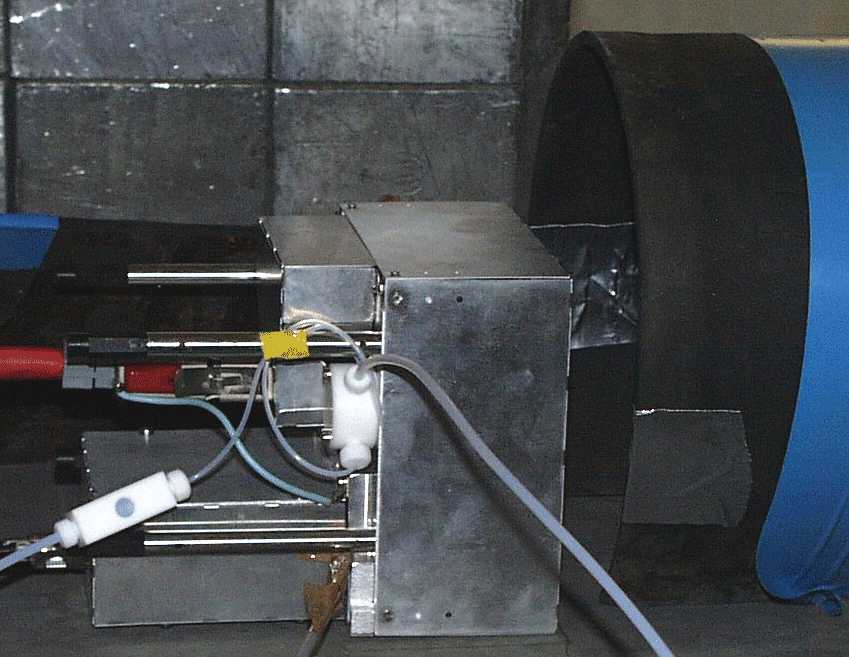
CASCADE-Prototyp 50 mm x 50 mm

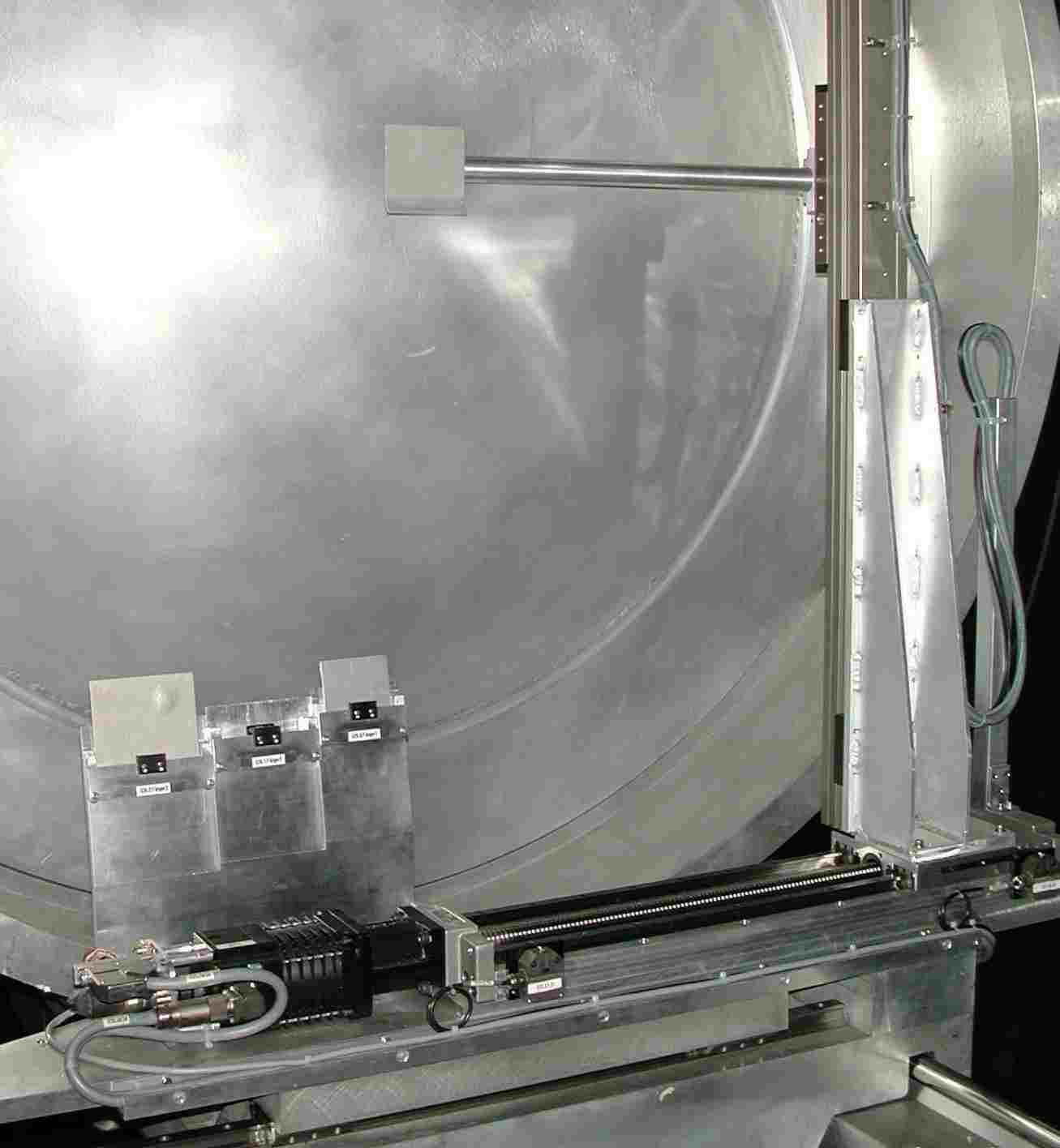
Bisheriger Beam-Stop der PSI-SANS-Anlage auf der Vorderseite des großen 3He-Drahtkammer-Detektors. Der CASCADE-Detektor soll den Beam-Stop als rein zählender Detektor ersetzen, um die SANS-Daten auf den direkten Strahl normieren zu können.
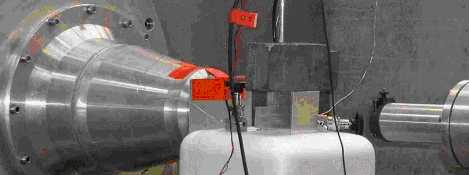
Test des CASCADE-Prototyp 50 mm x 50 mm an der Probenposition der SANS-Anlage

Prototyp am ILL


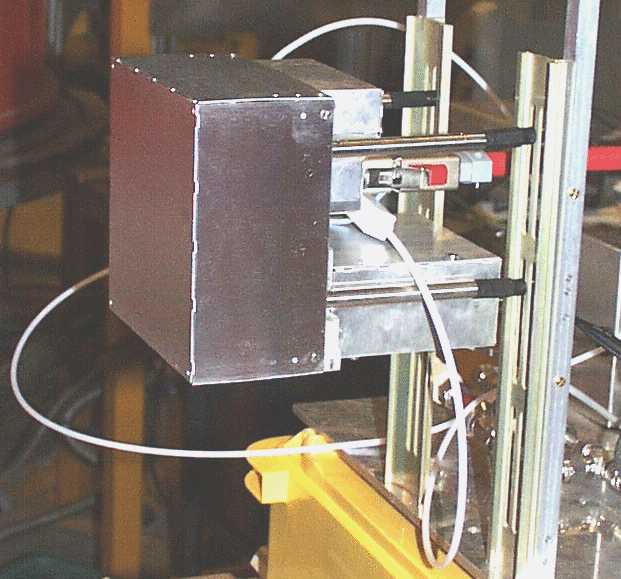
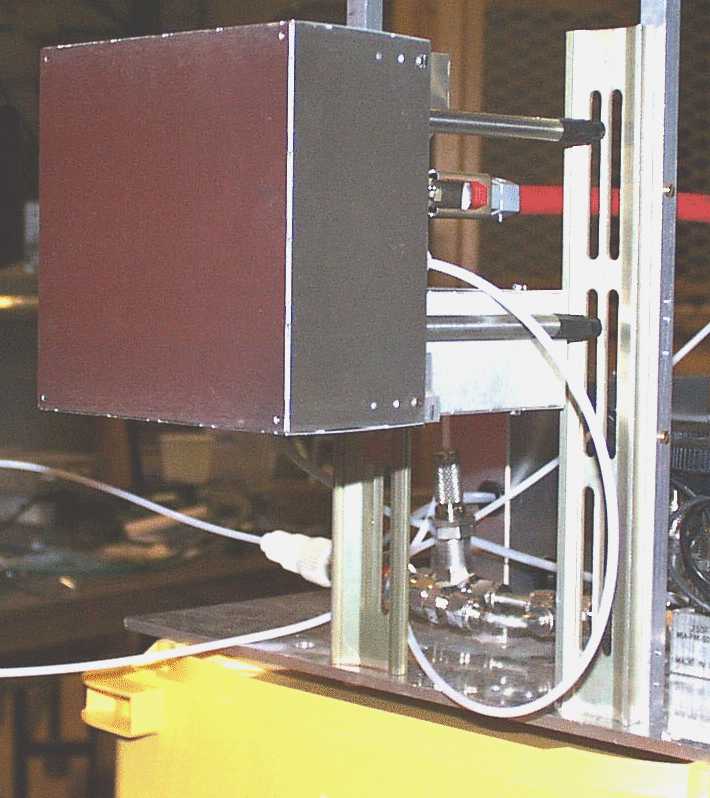
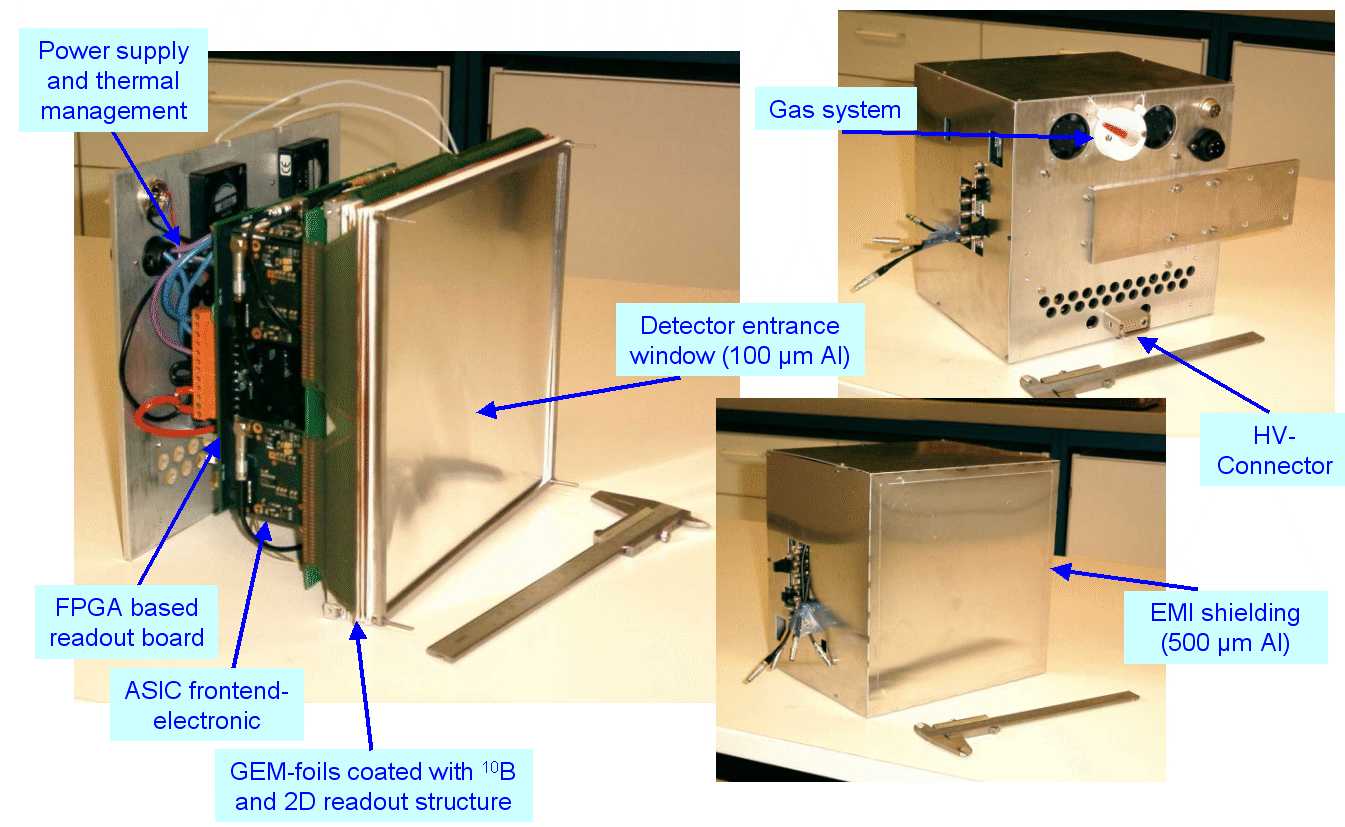
Aktuelles Design eines CASCADE-Prototypen mit 100 mm x 100 mm sensitiver Detektorfläche. Der Detektor besitzt nun ein 0.5 mm dickes Aluminiumgehäuse als Abschirmung gegen jegliche elektromagnetischen Störfelder sowie als Hochspannungs-Schutz nach außen. Der gesamte Detektor mißt 120 mm x 120 mm.

Untersuchung des Detektors am Teststand CT2 des ILL. Hier stehen Neutronen mit 2.5 Angström Wellenlänge zur Verfügung, um Effizienz, Ortsauflösung und Homogenität des Detektors testen zu können.

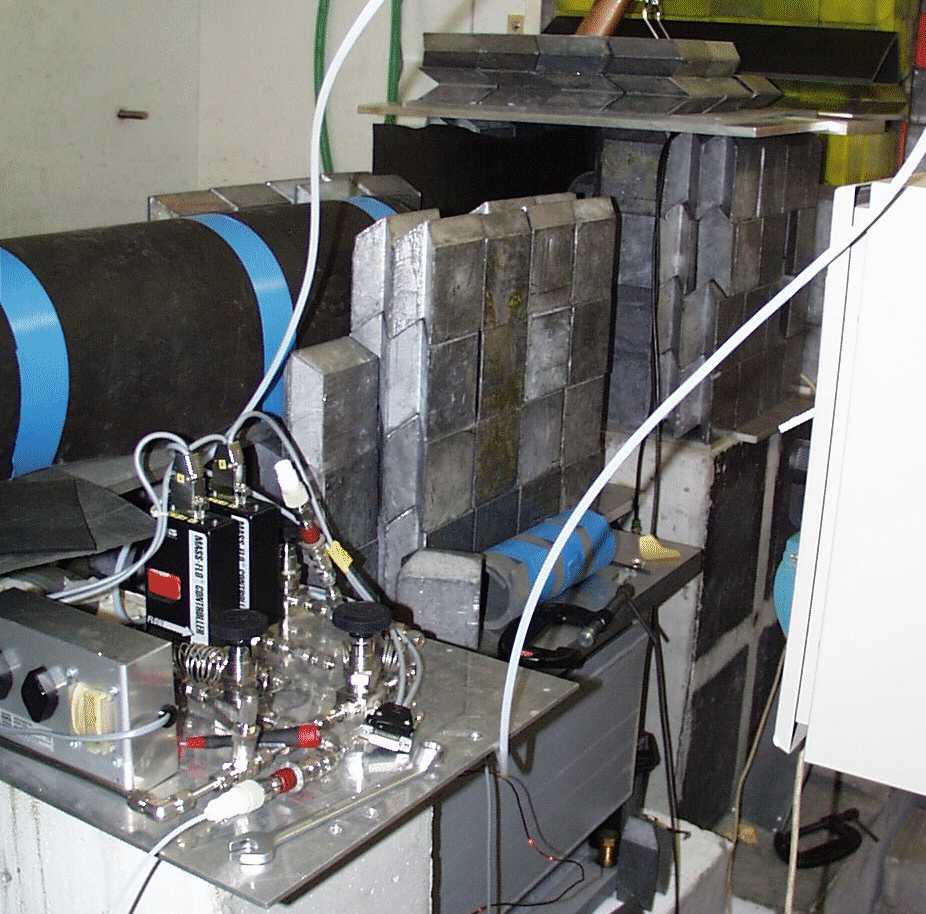
Zum Test der Hochratentauglichkeit befindet sich der Detektor in einem der stärksten Neutronenstrahlen der Welt: am PF1a (Capture Flux > 109 n/sec cm2).

Strahlplatz PF1a am ILL
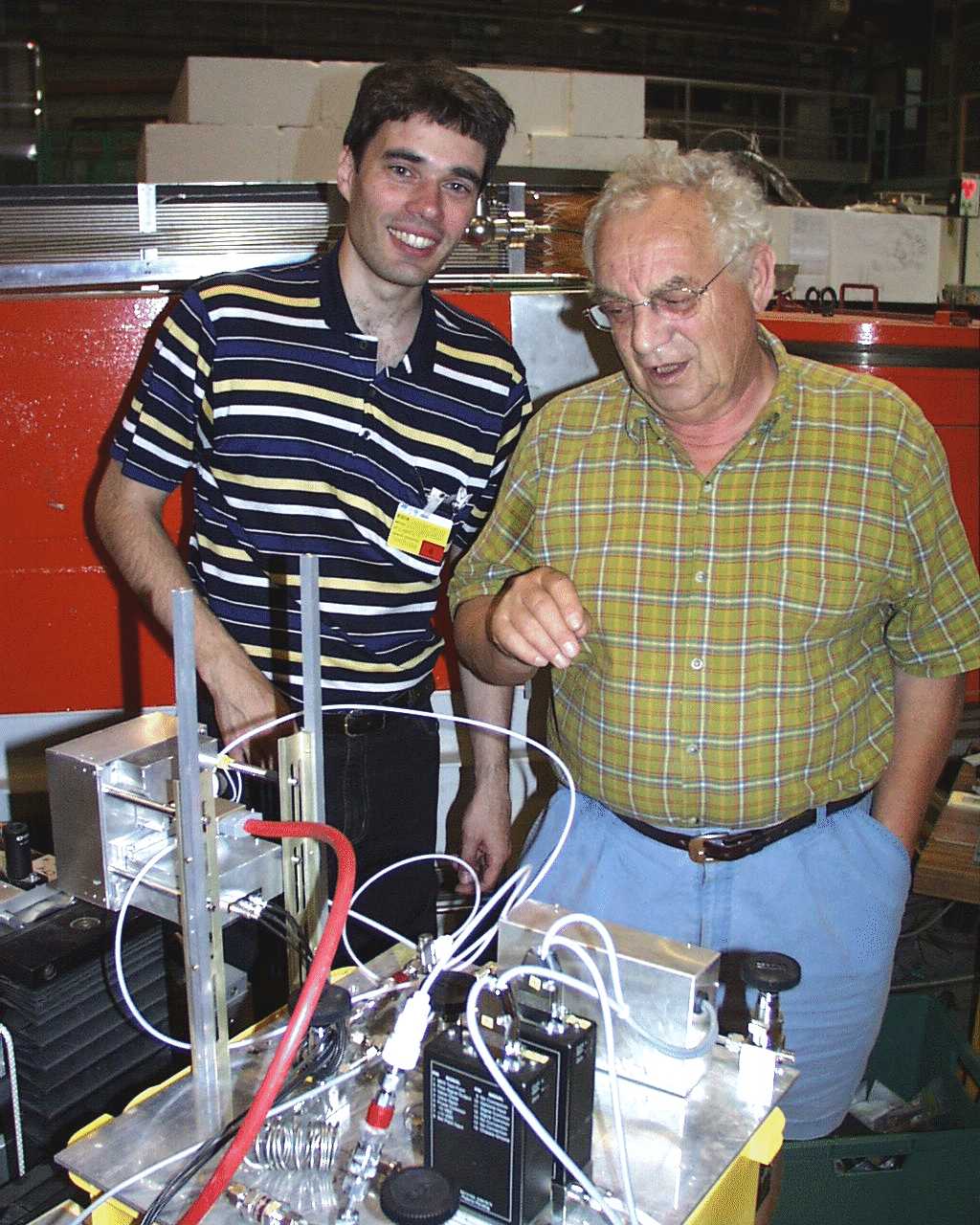
Anton Oed in angeregter Diskussion mit Martin Klein über das CASCADE-Detektor-Prinzip am ILL.

Prototyp am FZJ

Ein CASCADE-Prototyp mit 200 mm x 200 mm sensitiver Detektorfläche wird am Forschungszentrum Jülich intensiv auf Linearität, Homogenität, Ortsauflösung, Ratentauglichkeit, Untergrund-Empfindlichkeit und Effizienz getestet werden. Hier sollen darüber hinaus das Langzeitverhalten des Detektors und seine mögliche Eignung für die ESS getestet werden.
!e!

First Prototypes have been delivered for evaluation

to Paul Scherer Institute (PSI) Switzerland
to Institute Laue Langevin (ILL) France
to Forschungszentrum Juelich (FZJ) Germany

Prototype at the PSI


CASCADE-Prototyp 50 mm x 50 mm

Current beam-stop at the PSI-SANS-Instrument, located in front of the large 3He-wire-chamber, which is mounted on a moovable sled in a long vacuum tube. The CASCADE-Detector is to replace this beam-stop for primary flux monitoring purposes, which will allow to normalize SANS-data.
Test of the CASCADE-Prototyp 50 mm x 50 mm at the sample position of the SANS-Instrument

The CASCADE-Prototyp 50 mm x 50 mm will be mounted in vacuum at the beam-stop-position of the SANS-Instrument. It will moove with the entire detector and determine the entire incident flux onto the sample.

Prototype at the ILL


Current design of a CASCADE-Prototype with a sensitive area of 100 mm x 100 mm. The detector is housed in a cover of 0.5 mm Aluminum sheet which proved necessary to shield against EMI (Electromagnetic Interference) in real beamline environments. Likewise, this housing covers access to any parts at high voltage. The entire detector measures 120 mm x 120 mm.

Evaluation of the detector at the ILL test-beam CT2. With the 2.5 Angstrom neutrons available at CT2, detection efficiency, spatial resolution as well as homogeneity could be investigated.

For high-rates tests, the detector was taken to one of world´s strongest beamlines:
at PF1a (Capture Flux > 109 n/sec cm2).

Beamline PF1a at ILL
Anton Oed in vivid discussion with Martin Klein on the CASCADE-principle at ILL

Prototyp at FZJ

A CASCADE-Prototype with a sensitive area of 200 mm x 200 mm will be delivered to the Forschungszentrum Juelich. Long term behaviour as well as the feasibility to employ the CASCADE technology at the ESS will be evaluated.
!n! Webmaster
!g!EDV Abteilung!e!IT Department!n! "; include($rechtespalte); print ""; } ?>   "; ?> © Copyright 2013 Universität Heidelberg. Impressum nocss